
The Essentials of Food Hygiene
Key points for staff to be made aware of
- Keep yourself clean and wear clean clothing.
- Always wash your hands thoroughly: before handling food, after using the toilet, handling raw foods or waste, before starting work, after every break and after blowing your nose.
- Before you start work, tell your supervisor of any skin, nose, throat, stomach or bowel trouble or infected wounds. You are breaking the law if you do not.
- Ensure cuts and sores are covered with a waterproof, high-visibility dressing.
- Avoid unnecessary handling of food.
- Do not smoke, eat or drink in a food room, and never cough or sneeze over food.
- If you see something wrong, tell your supervisor.
- Do not prepare food too far in advance of service.
- Keep perishable food either refrigerated or piping hot.
- Keep the preparation of raw and cooked food strictly separate
- When reheating food ensure it reaches piping hot.
- Clean as you go – keeping all equipment and surfaces clean.
- Follow any food safety instructions provided, either on food packaging or from your supervisor.
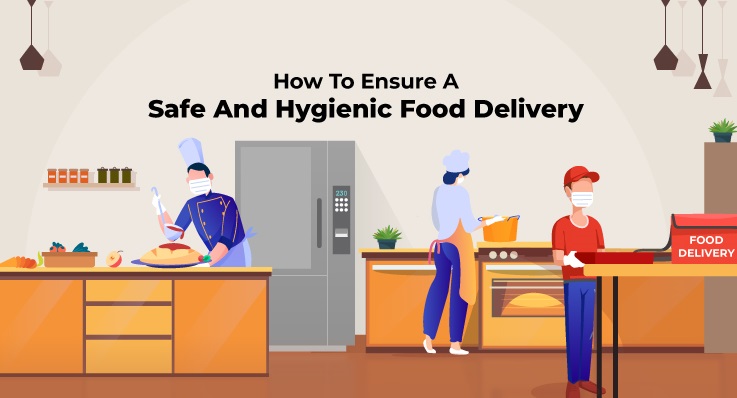
Essentials of Food Hygiene Awareness
Key points for staff to be made aware of
- Your business policy and the priority placed on food hygiene
- ‘Germs’ and how these have the potential to cause illness
- Personal health and hygiene, including the need for high standards, reporting illnesses and rules on smoking
- Cross contamination: cause and prevention
- How to safely store food: protection and temperature control
- Waste disposal, cleaning and disinfection, detailing materials, methods and storage
- The risks of ‘foreign body’ contamination and how to avoid
- Awareness of pests.
Food Hygiene course covers the following areas:
- Food poisoning microorganisms types and sources
- Simple microbiology, toxins, spores, growth and death
- Premises and equipment
- Common food hazards, including physical, chemical and microbiological
- Personal hygiene: basic rules and responsibilities
- Preventing food contamination
- Food poisoning: symptoms and causes
- Cleaning and disinfection
- Legal obligations
- Pest control
- Effective temperature control of food, for example: storage, thawing, reheating and cooking.
Divided into Nine Sections
Senior Management Commitment
Senior Management Commitment
Commitment at a senior level is essential in the development of a good food safety culture and is therefore necessary for any food safety system to be effective and to ensure the full application and continual development of these systems.
The Food Safety Plan - HACCP
The Food Safety Plan - HACCP
Effective hazard and risk analysis enables the company to identify and manage those hazards that may pose a risk to the safety, quality and integrity of their products. The BRC Global Standard requires the development of an effective hazard analysis and critical control point (HACCP) programme based on the requirements of the internationally recognised Codex Alimentarius system.
Food Safety and Quality Management System
Food Safety and Quality Management System
This section ensures the company works to well-documented, systematic management systems that form the basis for the product and process controls necessary to produce safe products, meet customer expectations and ensure staff are trained.
Site Standards
Site Standards
This covers the suitability, cleanliness and control of the site and includes topics such as factory conditions, cleaning, equipment, pest control, foreign body controls and food defence/site security.
Product Control
Product Control
Establishing product controls such as allergen management, the prevention of food fraud and product testing are important in the reliable delivery of safe, authentic products.
Process Control
Process Control
These requirements ensure that the documented HACCP plan is put into operation on a daily basis, together with effective procedures to consistently manufacture the product to the correct quality.
Personnel
Personnel
Training, protective clothing and hygiene practices are covered in this section.
High-Risk, High-Care & Ambient High-Care Production & Risk Zone
High-Risk, High-Care & Ambient High-Care Production & Risk Zone
A specific section of the Standard dealing with products that are susceptible to potential pathogen contamination and therefore need additional controls to ensure product safety.
Requirements for Traded Products
Requirements for Traded Products
A voluntary additional section of the Standard for sites that purchase and sell food products that would normally fall within the scope of the Standard and are stored at the site’s facilities, but which are not manufactured, further processed or packed at the site being audited.