
What is a food safety audit?
A food safety audit is described as a highly structured activity that aims to document evaluations on a food business’s food safety system to determine if all practices are according to appropriate food laws and regulations. A food safety audit creates a transparent report about the situation of and level of food safety systems in a food business and highlights its strengths and weaknesses. These reports can then be used to improve your food safety management strategy.
As consumers become more and more aware of food safety laws and regulations and the risk of food contamination, food safety audits are becoming more essential than ever. Food safety agencies have put heavy emphasis on hazard analysis and their prevention to protect public health. All the more reason for you to focus on strengthening your food control systems!

Food Safety Audit Objectives
As mentioned, a food safety audit is mainly conducted to evaluate and verify the level of food safety management systems of food businesses for their continuous improvement. In addition to this objective, food safety audits can be observed to satisfy other reasons which include the following:
- Certification audit for certain food safety standards.
- Assessment of premises condition and food business performance.
- Ensure legal compliance.
- Inspection in response to a complaint.
- Regulatory requirement.
- Supplier request.
- Promote business objectives.
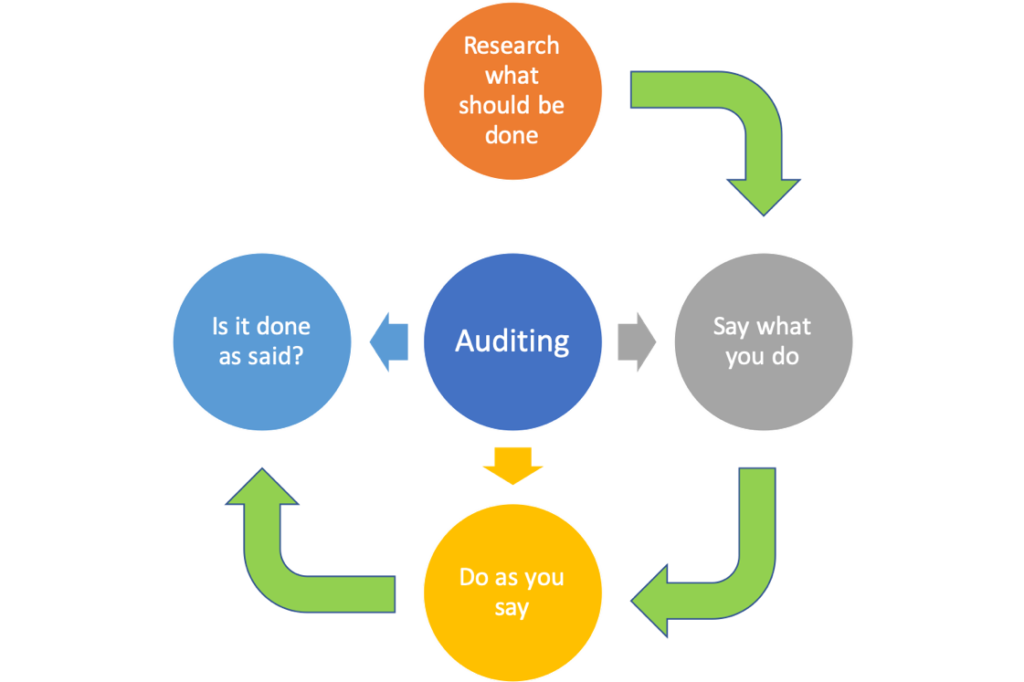
Food Safety Key Steps for a Successful Audit
Review Your Basic Food Safety Knowledge
Ensure compliance with all prerequisite programs
Review documentation files.
Use checklists to finish tasks
Perform an internal audit
Orient and train your team
Food Safety Audit Steps
Key areas of a food safety audit
- Food Safety Management System
- Food Storage
- Food Preparation
This area involves how you conduct and monitor your operations and ensure that everything follows food safety standards. It also includes proper documentation of your resolutions in case of dispute, breach of standards, and other non-conformities in your food safety plans.
Storage of raw and finished goods has varying standards that equally need to be monitored. Proper storage conditions ensure that you are using safe raw materials and that the integrity of the shelf-life of your finished products is maintained. Potential problems during a food safety audit may come from broken or uncalibrated thermostats, food lying on the freezer floor, damaged packaging, and cross-contamination of raw and finished products.
This key area of food safety audits is quite broad. It includes food handling practices such as proper segregation of raw materials during preparation, proper cooking to the correct internal temperatures, correct thawing of frozen foods, and even the use of gloves or handwashing during preparation. Depending on the nature and extensiveness of your operations, this section may become very long and have many subsections.
- Sanitation and Cleaning
- Facility Design
- Waste management
- Employee Hygiene
Foodborne illnesses are usually caused by the lack of proper cleaning and sanitation practices. As such, this area is considered a key section of a food safety audit. It would include having properly installed handwashing facilities, proper sanitation equipment, and a supply of hot water for cleaning.
Often neglected, the design of your facility contributes to the safety of your operations. Auditors often check the presence of drainages, the presence of chipped paint, and even the layout of your operations area.
Including a secured and working waste management system ensures food safety auditors and customers alike that your food business is operating cleanly and is contributing to the protection of the environment.
One of the major sections of a food safety audit is how your employees conduct themselves during your operations to minimize the risk of food contamination. Employee hygiene pertains to the cleanliness of your employees, their proper attire, and hygiene practices such as hand-washing.